


If you’re considering buying a condo, you likely have a lot of questions about condo living. Most people choose condos to simplify their lives. Transitioning to a condo is a significant decision that shouldn’t be taken lightly.
As a Senior Real Estate Specialist (SRES), I have helped many older adults navigate the condo market. I know the questions you should ask when buying a condo to right-size your life. In my experience, the best condo decisions come from asking the right questions, not just about the unit, but also the building, the finances, and your future needs.
What Kind Of Lifestyle Do You Want?
Before you focus on the finishes, such as quartz countertops, you should start with the lifestyle.
- Do you want a walkable community close to shops, healthcare, and transit?
- You will want to know what the noise level of the location is like
- Is there a community vibe you’re looking for?
- Considerations for layout and size (one-level living, no stairs)
- Do you have a pet, or are you planning on having one?
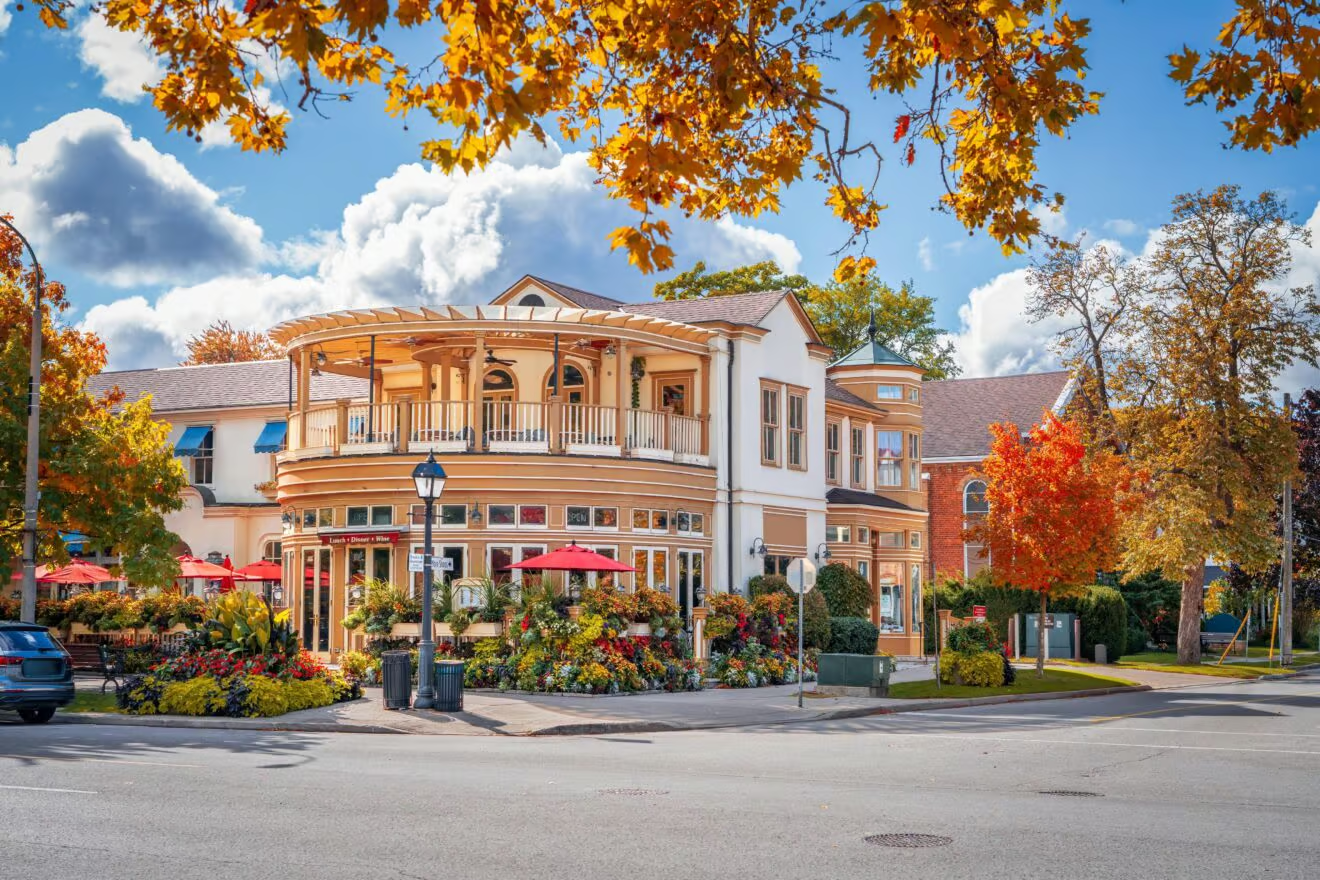
Many downsizers I work with tell me they don’t want to live in a box and feel cooped up. They want something that feels like a home. This is why I need to understand your day-to-day life before we begin viewing properties. You aren’t just buying a unit, you’re buying into a community.
How Old Is The Building, And What Condition Is It In?
One of the most important questions to ask, but is often overlooked, is what is the age of the condo, and how well has it been maintained?
Older condos typically come with more square footage (which is a benefit for most coming from a house, as it makes the space transition easier). However, it may require costly repairs. Newer condos will be more modern but may also face growing pains because they’re not as established.
You need to ask:
- When were major components replaced (windows, roof, elevators, underground garage, and HVAC)?
- Are there any major improvements coming?
This leads to the question…
Searching for more advice on downsizing? Explore these related blogs next!
- Condo vs. House – What’s Better For Seniors?
- What Seniors Need to Know About Downsizing for Retirement
- Can Downsizing Actually Save Me Money?
What Does The Financial Health Of The Condo Corporation Look Like?
This is where a good realtor and a good lawyer will save you a lot of headaches and potential buyer’s remorse.
Request a copy of the status certificate and closely examine:
- Reserve fund study
- Annual budget
- Special assessments
- Audited financial statements
- Insurance certificate
- Lawsuits or claims against the condo corporation
Healthy financials will lead to predictable maintenance fees and fewer surprises. If the reserve fund is underfunded, it could result in costly repairs being passed on to owners. For people on a fixed income, financial stability is critical.
How Much Are The Monthly Condo Fees And What Do They Include?
Not all condo fees are created equal. Some condos may include all utilities, while others may include only water and building insurance.
Important questions to ask:
- What exactly is included in the condo fees?
- How often have they increased the fees in the last 5-10 years?
- Are the condo amenities driving the fees up (think swimming pools- a popular, and expensive amenity that most people don’t use)?
For older adults, the goal is simple: predictable costs with amenities that support your lifestyle.
Is The Building Senior Friendly? (Design & Accessibility)
This is where my SRES designation matters. A condo should support your mobility and comfort not only today but also in 5, 10, or even 20 years.
Accessibility questions to ask when buying a condo:
- Are the entrances barrier-free, with level ramps so someone in a wheelchair can access the building independently?
- Are hallways wide enough to accommodate wheelchairs and walkers?
- Can a person in a wheelchair turn 360 degrees in the bathroom, independently?
- Does the unit allow for future modifications to accommodate a person with mobility challenges?
- Is parking close to the elevators?
Not every condo is built with aging in place in mind. Those that are will make your lifestyle easier in the long term.
What Are The Rules Around Pets, Smoking, Noise, and Rentals?
Condos come with rules (by-laws), and some will impact your daily life.
You should ask:
- Are pets allowed, and if so, are there any restrictions?
- What are the rules surrounding rentals (is Airbnb allowed), and what percentage of the condo is owner-occupied vs tenant-occupied?
- Are there quiet times, or smoking regulations?
Most seniors I work with prefer owner-occupied condos and don’t like the idea of short-term rentals (security concerns).
Helping a loved one downsize their house? You may find these blog posts helpful!
- Preventing Family Conflict When Selling Your Parents’ Home
- Is Aging in Place in Ontario Right For Me?
- How to Sell Your Parents’ Home With Your Siblings
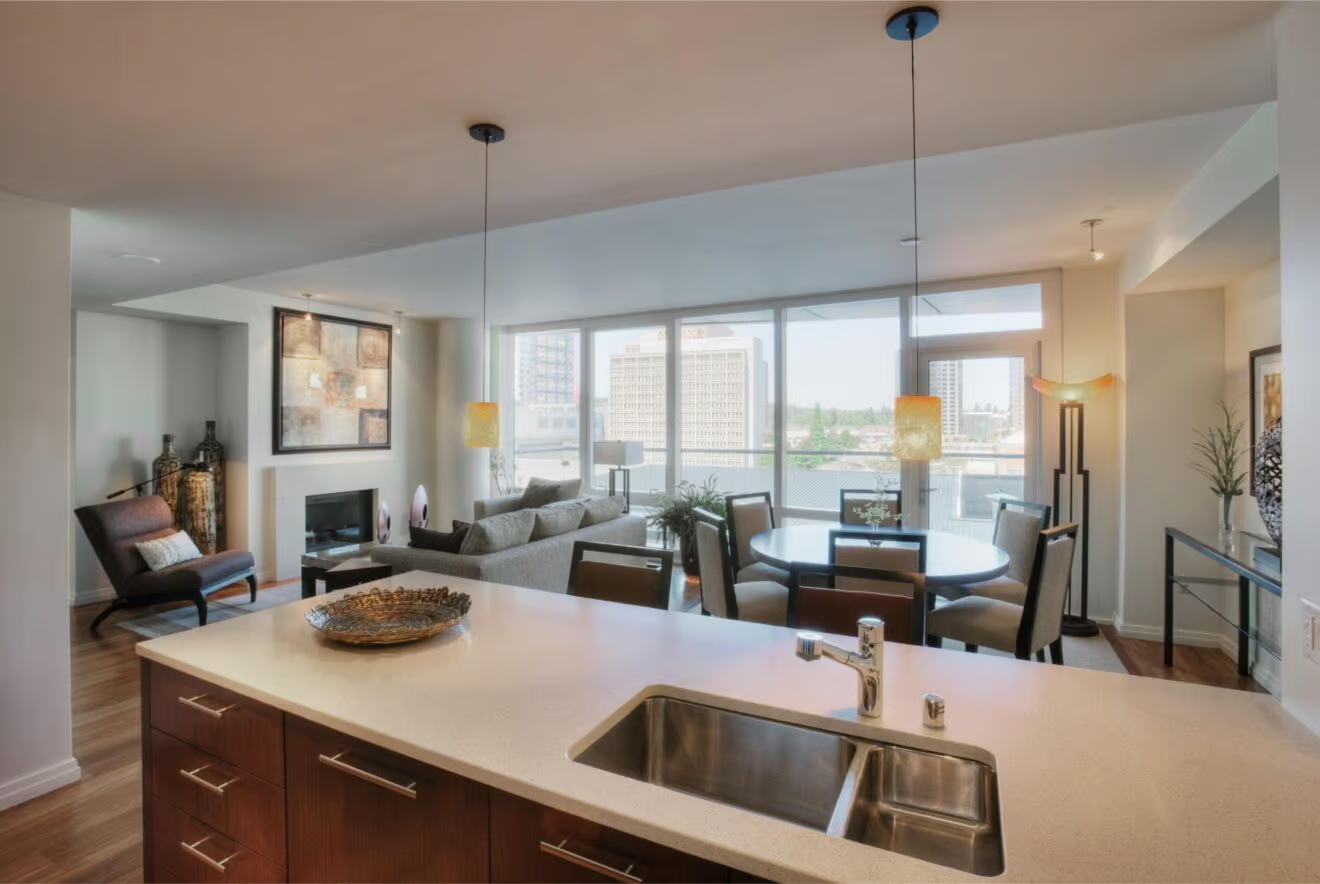
What Does The Unit Offer From A Livability Perspective?
Here’s a condo buying checklist:
- Exposure-having a clear view, southern exposure is usually a bonus
- Is there outdoor space (terrace is a game changer)?
- Does the unit come with storage? Is it in the unit, or is there a storage locker? Where in the building is it located, and how big or small is it?
- Does the condo have in-suite laundry (if not, dealbreaker for most)?
- What type of heating and cooling system does the condo have, and who is responsible for maintaining it?
- What type of construction is the building? Can you hear your neighbours?
- How far is the garbage chute from the apartment, and where do I have to take the recycling?
Think of your daily routine. Will the condo support it?
What’s The Parking Situation?
If you’re coming from a detached house with plenty of parking, this might be an afterthought, but it shouldn’t be
You will want to know:
- Does the condo come with parking?
- How many spaces does the condo come with?
- Is the parking owned, or exclusive use?
- Is the parking underground?
- Is there visitor parking?
Always confirm the parking space location. In my experience, the closer the parking is to the elevators, the better.
Will The Amenities Genuinely Support My Lifestyle?
I find that many people consider the amenities excellent. I always tell them to really be thoughtful about how much they will use them. Even if you don’t use the amenities, you will pay for them in your maintenance fees.
Amenities to prioritize:
- Guest suites
- Fitness rooms geared to all ages
- Party rooms, gardens, libraries, crafting rooms
- Security
Swimming pools and fancy fitness centres look great in photos. Most of the downsizers I work with prefer simpler, lower-maintenance fee buildings.
Is There A Sense Of Community Among Neighbours?
Some buildings feel like retirement communities, and others like university dorms. Neither is right nor wrong; it’s about what you want.
Ask:
- What is the average age of the residents?
- Are there social activities on site?
- Does the building feel friendly and welcoming?
When I’m viewing condos with older adults, they often ask the residents we meet whether they like living there and, if so, what they love. If not, what don’t they like? People are usually forthcoming. I often tell clients that if you don’t connect with the building’s vibe, you won’t enjoy living there, no matter how great the unit is.
Asking the right questions is essential when determining what condo is best for you and your lifestyle. If you’re thinking about your next chapter, and you have questions about condo living, let’s have a conversation.
Have questions about buying or selling as a senior? I’m here to help! Reach out to 647.283.2127 or email stuart@stuartnodell.com to start a conversation.
Book a Consultation
See how I simplify your real estate experience with personalized plans and total project management.