




In my recent article, How Long Does Probate Take in Ontario, I discuss what probate is, how long it can take, the taxes involved, and the probate process. In this post, we’ll talk about what happens once probate is granted—specifically, key considerations for managing a property involved in an estate.
Being an executor is a responsibility, and you’re personally liable, so you want to make sure you’re doing the right things when managing an estate.
It can feel overwhelming, but you’re not alone. By surrounding yourself with the right team of professionals, you will reduce the stress and have a smoother path to the finish line. As a Senior Real Estate Specialist (SRES), I have experience helping executors and families through this transition.
What Does An Executor Do Once Probate is Granted?
This is where you establish all of the administrative tools you will need to manage the estate. You will now have access to the deceased’s bank accounts and must open an estate bank account. This is where you distribute the proceeds from asset sales to the beneficiaries. Taking control of all estate assets may include real estate, bank accounts and investments, vehicles, personal belongings, and business interests.
Maintenance
As the executor, you have a fiduciary responsibility to the beneficiaries. This means you will be responsible for ensuring that property maintenance continues from the decedent’s passing until the property transfers to the next owner. This will include paying any property-related bills. Make sure you hang onto receipts, quotes, and track expenses as it relates to the property, as you will be able to claim these expenses against the estate once probate is granted.
Insurance
Typically, until probate is granted, the property insurance will remain in the decedent’s name. Note that most home insurance policies require someone to check on the property at a set interval. As the executor, it is your responsibility to ensure this occurs so the insurance policy remains in effect. One of the services I offer my clients is conducting home visits and providing records for the executor. Once probate occurs, you will need to notify the insurance company, which may offer vacant or estate coverage for a given period of time. As the executor, you will need to ensure all debts and outstanding expenses are paid. Before anyone inherits anything, the executor must pay property taxes, utilities, and any professional fees.
Searching for more advice on selling your parents’ house? Read these blogs.
- When Should Seniors Sell Their Home?
- When Can You Sell a Parent’s Home After They’ve Passed Away?
- Preventing Family Conflict When Selling Your Parents’ Home
Selling a House After Probate
Step One: Preparation
Preparing the home for sale is usually the most significant task in the process. By this point, you should have hired a realtor. By now, the house should be cleared of any contents not required for the sale. I usually suggest that my clients use the time while waiting for probate to address any necessary repairs or maintenance to prepare the home for sale. This way, once probate has cleared, there will be no delay in putting the home on the market.
Step Two: Finding the Right Realtor
Having the right realtor on your side and involving them early is crucial. Your realtor can advise you on which improvements are needed (if any) and, more importantly, which ones not to make. Your realtor should be able to provide a valuation with or without the improvements, so you can make an informed decision. They should be able to provide a staged versus an unstaged valuation.
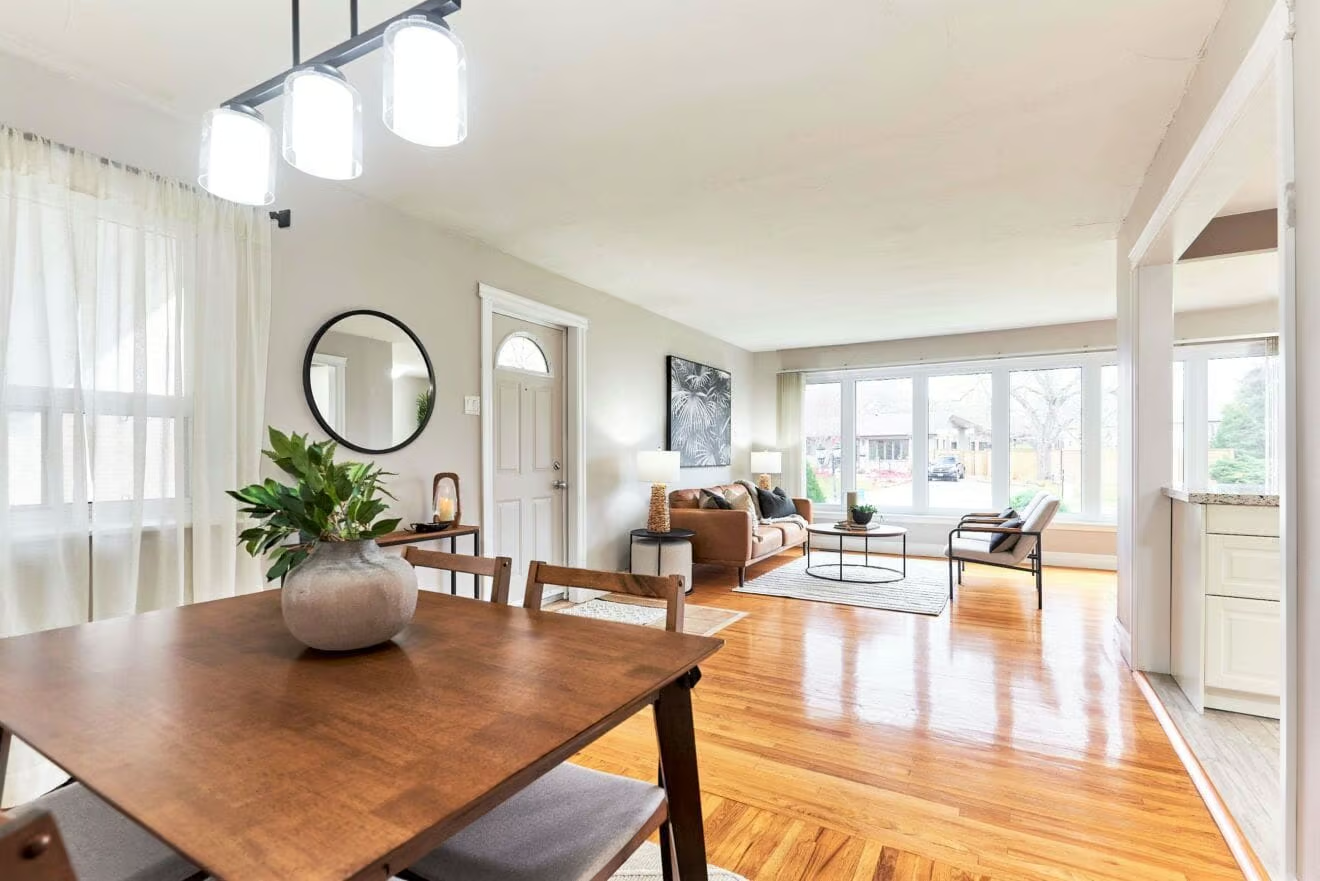
For example, I fully stage my clients’ listings (always complimentary). This means top-to-bottom refurnishing the home (not just pillow fluffing and rearranging what is there). With our staging, we outperform the market by 5-10%, netting them more money 100% of the time.
How I Work With Families Navigating Probate
As a Senior Real Estate Specialist, I recently sold an estate property, and during the interview process (I was one of 2 agents under consideration), the executors asked for my opinion on what needed to be done to prepare the property for the market. Their priority was to maximize value and to sell as quickly as possible, as they didn’t want to maintain the home for the winter.
My recommendation was to stage it from top to bottom. I also recommended a higher valuation than the other agent’s because I understood the value my staging adds compared to not staging. The other agent recommended clearing the house and not staging it. Essentially doing nothing to add value because “the next homeowner will renovate the property”.
We decided to underlist the property to generate multiple offers. We had a tight time horizon with only a few weeks until Christmas. Given the client wanted a quick closing, this was our best opportunity to dictate the terms and achieve it. With this strategy, the sellers received 15 offers and sold firm in six days, with a pre-Christmas closing date (all in a declining market).
I also sold the property for $32,500 above market value, as confirmed by other realtor valuations. Needless to say, the executors were extremely happy. The lesson here is never assume that because a home needs work, you can’t add value to it.
Searching for blogs related to downsizing? Explore these related blogs next!
- Condo vs. House – What’s Better For Seniors?
- What Seniors Need to Know About Downsizing for Retirement
- Can Downsizing Actually Save Me Money?
What Happens To The Proceeds of The Sale?
The proceeds from the home sale will be deposited into the estate account and managed alongside the disbursement of other assets. Moneys are not disbursed until debts and taxes are cleared and accounting is approved.
Being an executor comes with significant responsibilities and many questions. As a Senior Real Estate Specialist, I help executors and families navigate the real estate side of an estate with care. If you’d like to talk through your options or next steps, please contact me.
Have questions about selling your parents’ home? I’m here to help! Reach out to 647.283.2127 or email stuart@stuartnodell.com to start a conversation.
Book a Consultation
See how I simplify your real estate experience with personalized plans and total project management.