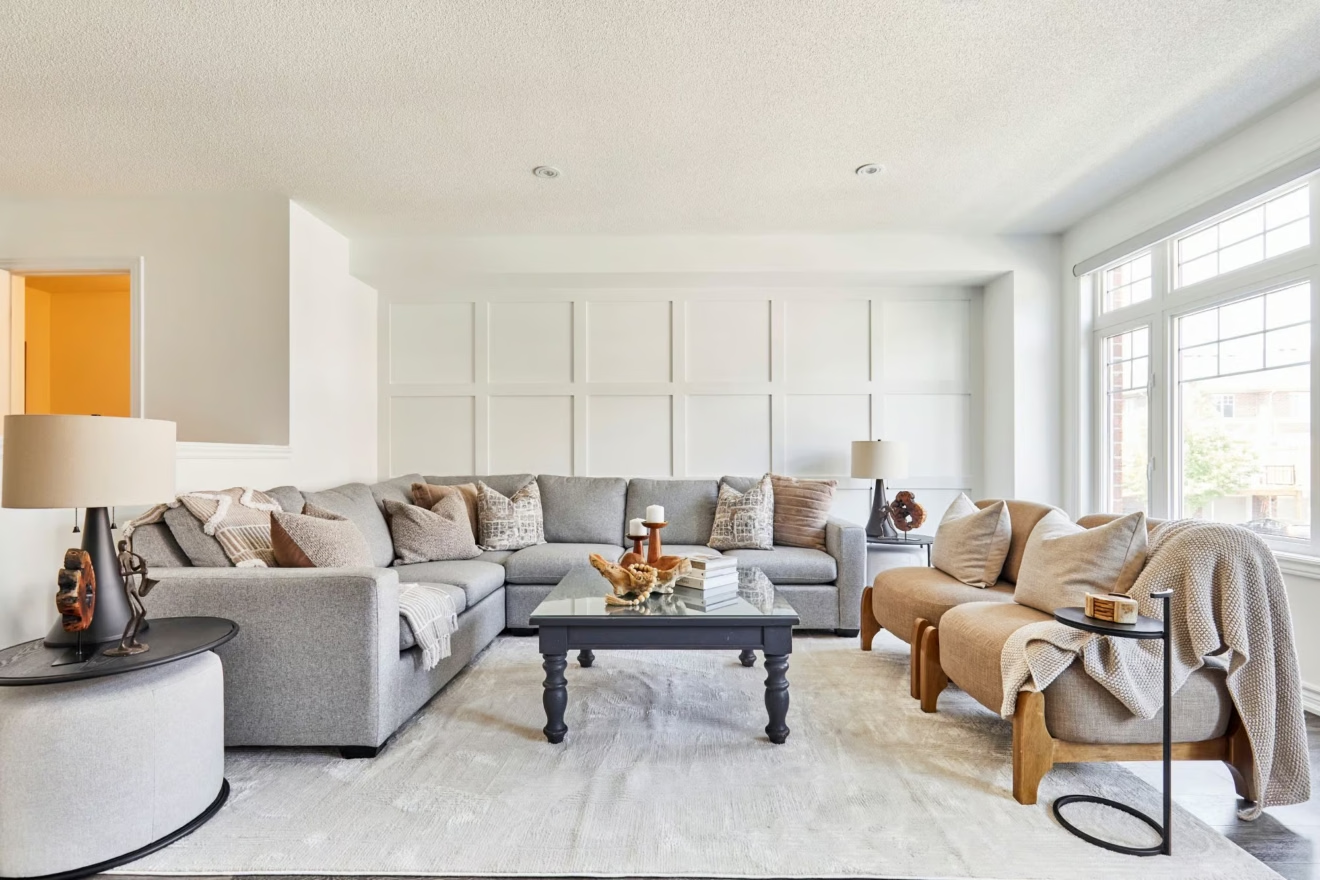

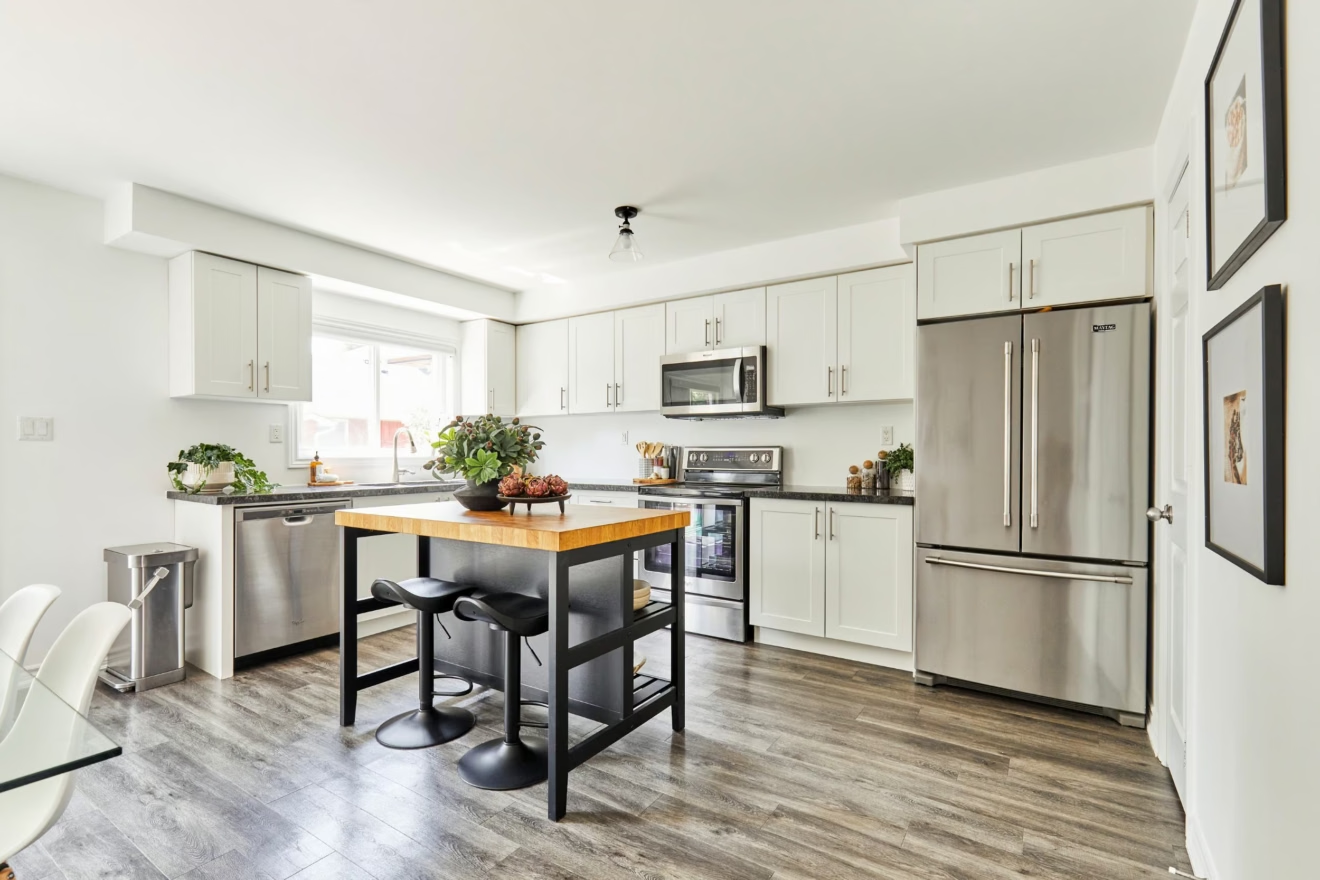
Does your neighbour have their house on the market and you’ve started asking yourself, “What is my home worth?”
Many of my clients look at their neighbours’ asking prices and assume those price points reflect the value of their own homes.
In 20 plus years, I’ve seen this pattern over and over. I recently sold a condo in Pickering where 10 similar condos were on the market. They were all overpriced and going stale. One had been sitting for nearly a year and a half!
My client was nervous about listing and not being able to sell. We priced the listing at the actual market value, staged it properly, and sold it within 4 days for just $1,000 under the asking price. If my client had priced off those 10 listings, she would still be sitting on the market.
Following what your neighbours are doing is a trap that many people fall into without fully understanding the big picture. For starters, asking price and market value are completely different.
Asking Price and Market Value Do Different Jobs
- Market value: an estimate of what buyers are likely to pay, based on the evidence and current conditions.
- Asking price: the price used to bring buyers through the door and support the selling strategy.
Overpriced homes get less traffic, sit, and end up selling for less. No single online estimate or formula captures every home accurately; that is what experience is for.
Looking for more home selling advice? Read these blogs next.
- Why Some Homes Sell, and Others Sit
- Does Staging Help Sell a House?
- How to Sell and Buy a House at the Same Time
Comparables
Recently sold comparable houses are only the starting point for pricing a house to sell. Comparables show what buyers were willing to pay, but many factors can change the final price. Here are a few:
Location Matters
Two homes on the same street can be worth different amounts because of what is next to them. I once had a property for sale with a gas station next door. The gas station significantly lowered the value compared with other houses. An apartment building next door can negatively impact value because it overlooks the property and can reduce privacy.
Parking
It isn’t unusual to have a buyer with very specific parking requirements; it might be “only looking for a home with a 2-car garage.” A garage beats no garage, side-by-side parking beats tandem, a private drive beats a mutual drive.
Features
In-demand features include an open-concept main floor. In a family neighbourhood, bedroom count may be important; in others, it is all about square footage.
Active Listings Show What Buyers Can Choose Today
Active listings show what buyers are choosing between right now. Price reductions and homes that have been sitting can reveal what isn’t working.
I always speak with other agents to learn what buyers are responding to. Then I compare your home with the other options available today and use that information to shape a pricing strategy that fits the market.
Renovations vs Added Value
Maintenance shows more than you think: Visible shortcuts, an aging roof, appliances, HVAC, and signs of neglect make buyers factor in immediate repair costs (they’ll often assume it will cost more than it does, so it is often worthwhile to address these items before you list).
Updated homes sell for more than dated ones, but that doesn’t mean renovating right before you sell pays off. Paint, repairs, and staging usually do.
Think About Who is Most Likely to Buy the Home
Different homes appeal to different buyers.
- Young families prioritize bedrooms, schools, and storage.
- Downsizers care more about stairs, parking, accessibility, and maintenance fees.
- Buyers looking for a renovation project may assess the property differently.
Knowing who your likely buyer is affects the way a home should be compared and presented. Young families will respond to rooms set up for children. Downsizers might instantly feel relieved when they see no stairs and wide doorways.
Toronto is Not One Market
If you’ve walked or driven any part of Toronto, you know conditions can vary between neighbourhoods and property types. Prices in The Beaches, Corktown, Leslieville, East York, and Scarborough may not be moving in the same way at the same time, so it’s important to understand the differences and evaluate the market in each pocket.
Selling your house in order to downsize? Read these related blog posts for more helpful advice.
- Decluttering Tips For Seniors
- Can Downsizing Actually Save Me Money?
- 5 Signs It’s Finally Time To Downsize
How I Approach a Home valuation
Strategy, timing, and execution are more important than you think. When I meet with a homeowner, I take all of this into account, but the main steps are:
- Review recent sales and current competition.
- Consider the home’s specific features.
- Figure out your likely buyer.
- Sit down with you and explain the evidence behind the valuation and all the factors that affected the result. In the end, my goal is for you to feel informed and confident, not left wondering.
Make a Strong First Impression
Pricing a house realistically from day one creates momentum. Pricing too high turns buyers off, and the listing goes stale, leading to bigger price reductions, lost opportunity, and lost money.
When you’re ready to start thinking about selling your home, give me a call and let’s meet in person. Don’t wait until it’s urgent. Let’s talk early, so you have time to set yourself up for success. I can make the whole process easier, smoother, and much less stressful.
Ready to sell? Reach out to 647.283.2127 or email stuart@stuartnodell.com to start a conversation.
Book a Consultation
See how I simplify your real estate experience with personalized plans and total project management.